Detailed Guide to Belt Conveyor Idler Core Structure Sealing Types and Performance Parameters
2026-08-12 14:51:37
Detailed Guide to Belt Conveyor Idler Core Structure, Sealing Types, and Performance Parameters
Belt conveyor idlers are essential supporting components that carry the conveyor belt and bulk material while maintaining stable belt movement. Their structural design, bearing arrangement, sealing system, and dimensional parameters directly affect conveyor reliability, energy consumption, and service life. Understanding these key factors is important when selecting idlers for mining and bulk material handling systems.
Core Structure of a Conveyor Idler
A typical conveyor idler consists of a roller shell, shaft, bearings, bearing housings, and sealing components. The roller shell provides direct support for the belt, while the shaft and bearing assembly allow the roller to rotate with low resistance.
The roller shell is commonly manufactured from steel or non-metallic materials, depending on the application. Steel rollers offer high load capacity and durability, while polymer or composite rollers can provide advantages such as lower weight, corrosion resistance, and reduced operating noise.
Bearings are critical to idler performance. Proper bearing selection, machining accuracy, and assembly quality help ensure smooth rotation, low rotational resistance, and reliable operation under continuous loads.
Common Sealing Forms
The sealing system protects internal bearings from dust, water, and other contaminants. Common configurations include contact seals, labyrinth seals, and multi-stage sealing structures.
Labyrinth seals create a tortuous path that helps prevent contaminants from entering the bearing chamber. Contact seals provide additional protection through direct sealing surfaces. In demanding mining environments, multi-stage sealing systems are often preferred because they provide enhanced resistance to dust and moisture.
Effective sealing is particularly important for conveyors operating in wet, dusty, or highly abrasive environments.
Key Performance Parameters
When selecting conveyor idlers, important parameters include roller diameter, roller length, shaft diameter, bearing type, rotational resistance, radial runout, axial movement, load capacity, and operating temperature range.
The appropriate roller diameter and length should match the belt width, material load, belt speed, and conveyor structure. Low rotational resistance helps reduce energy consumption, while sufficient load capacity ensures stable support under heavy-duty conditions.
Manufacturing accuracy is also important. Balanced roller rotation and controlled runout help reduce vibration, belt wear, and mechanical stress during high-speed operation.
Factors Affecting Service Life
Idler service life depends on bearing quality, sealing performance, material selection, manufacturing precision, loading conditions, belt speed, and operating environment. Incorrect installation, excessive impact, contamination, and poor alignment can significantly shorten service life.
For demanding conveyor systems, selecting properly matched idlers and implementing regular inspection can help maintain stable belt tracking, reduce unexpected failures, and lower overall maintenance costs.
References
CEMA, Belt Conveyors for Bulk Materials.
ISO 1537, Continuous Mechanical Handling Equipment — Belt Conveyors with Carrying Idlers — Calculation of Operating Power and Tensile Forces.
DIN 22107, Continuous Conveyors — Idlers for Belt Conveyors — Dimensions.
ISO 5048, Continuous Mechanical Handling Equipment — Belt Conveyors with Carrying and Return Idlers — Calculation of Operating Power and Tensile Forces.
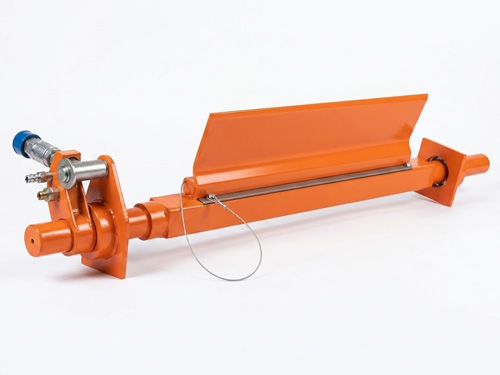
Heavy-Duty Primary Belt Cleaner Heavy-Duty Primary Belt Cleaners are robust conveyor belt c...
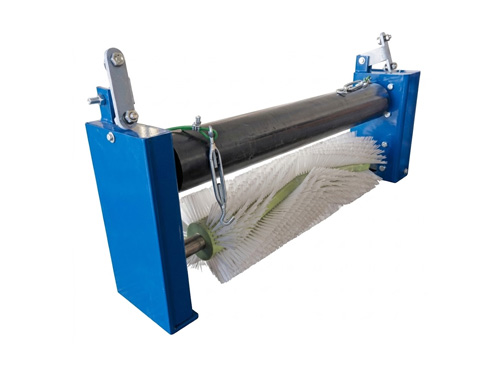
Self-Driven Rotary Brush Belt Cleaner Self-Driven Rotary Brush Belt Cleaners are specialize...
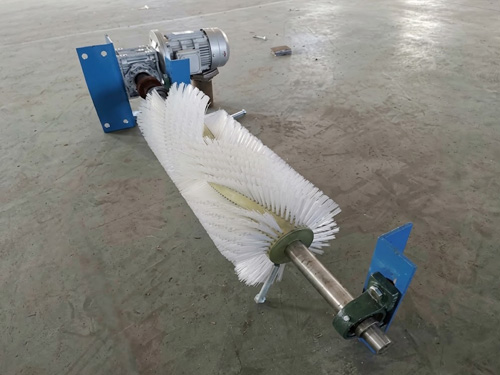
Brush Belt Cleaners in Various Models Brush Belt Cleaners are specialized conveyor belt cle...
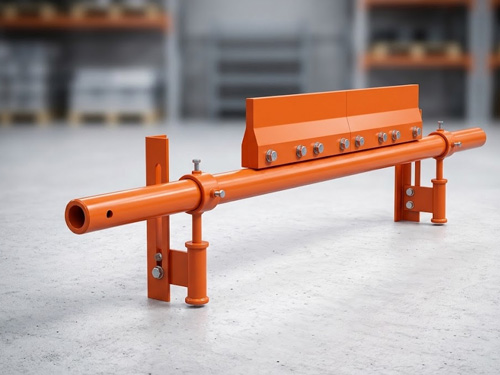
Secondary Conveyor Belt Cleaner Secondary Conveyor Belt Cleaners are designed to remove res...