Key Calculation Points for Idler Diameter Bearings Seals and Idler Set Configuration
2026-08-12 14:52:41
Key Calculation Points for Idler Diameter, Bearings, Seals, and Idler Set Configuration
Correct conveyor idler selection requires more than simply matching the belt width. Roller diameter, bearing capacity, sealing design, and idler set configuration should be evaluated together according to belt speed, material load, conveyor length, and operating environment. Proper selection helps reduce rotational resistance, belt wear, vibration, and premature component failure.
Idler Diameter Selection
The appropriate idler diameter is mainly determined by belt speed, belt tension, load, material characteristics, and required service life. Larger-diameter rollers generally rotate at a lower speed for the same belt velocity, which can help reduce bearing rotational speed and improve operating life.
For high-speed or heavy-duty conveyors, a larger roller diameter is often preferred. However, the diameter should also match the available frame, shaft, bearing, and installation dimensions. Excessively large rollers may increase weight and cost without providing proportional benefits.
Bearing Selection and Load Calculation
Bearings must withstand both radial loads and, where applicable, axial loads generated during conveyor operation. The calculated bearing load should consider the belt weight, conveyed material, idler spacing, conveyor inclination, dynamic impact, and other operating factors.
The selected bearing should have an adequate dynamic load rating and service life for the expected operating conditions. For heavy-duty conveyors, bearing quality and correct installation are particularly important because bearing failure is one of the common causes of idler replacement.
Sealing Design
The sealing system should be selected according to the operating environment. Dust, water, mud, and abrasive particles can significantly reduce bearing life if they enter the bearing chamber.
Common solutions include labyrinth seals, contact seals, and multi-stage sealing arrangements. For mining and quarry applications, an effective multi-stage sealing system can provide better protection against contamination. The seal should maintain reliable protection without creating excessive rotational resistance.
Idler Set Configuration
The configuration of carrying idler sets affects belt support, material containment, belt tracking, and conveying capacity. A typical troughing set consists of a center idler and two inclined side idlers, with the trough angle selected according to belt width and application requirements.
Return idlers may use single rollers, rubber-disc rollers, spiral rollers, or other specialized designs. Idler spacing should be determined according to belt load, material density, belt tension, belt sag requirements, and conveyor structure.
Comprehensive Selection
Idler design should be treated as a complete system rather than selecting individual components independently. Diameter, bearing, sealing structure, roller spacing, and trough configuration must work together to achieve the required performance.
For demanding applications, engineers should consider operating speed, impact conditions, ambient temperature, dust and moisture exposure, expected service life, and maintenance requirements before finalizing the specification.
References
CEMA, Belt Conveyors for Bulk Materials.
ISO 5048, Continuous Mechanical Handling Equipment — Belt Conveyors with Carrying and Return Idlers.
ISO 1537, Continuous Mechanical Handling Equipment — Belt Conveyors with Carrying Idlers.
DIN 22107, Continuous Conveyors — Idlers for Belt Conveyors — Dimensions.
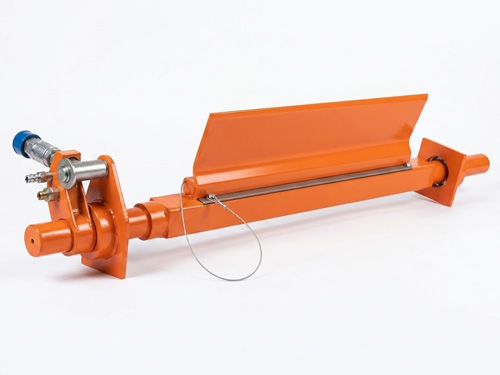
Heavy-Duty Primary Belt Cleaner Heavy-Duty Primary Belt Cleaners are robust conveyor belt c...
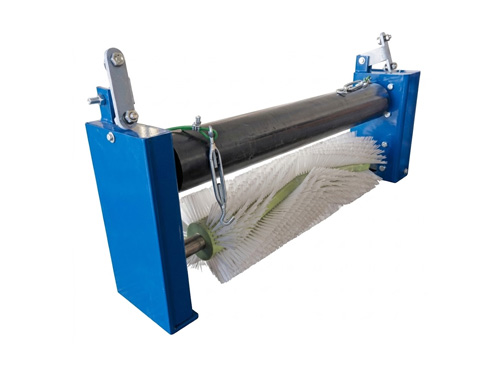
Self-Driven Rotary Brush Belt Cleaner Self-Driven Rotary Brush Belt Cleaners are specialize...
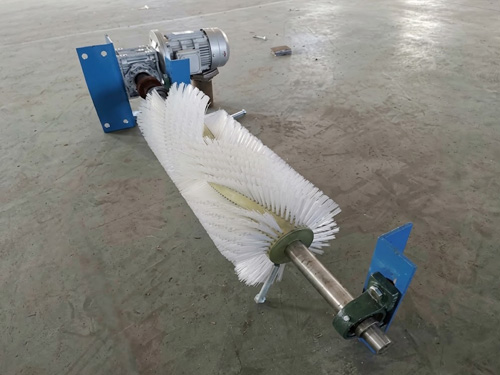
Brush Belt Cleaners in Various Models Brush Belt Cleaners are specialized conveyor belt cle...
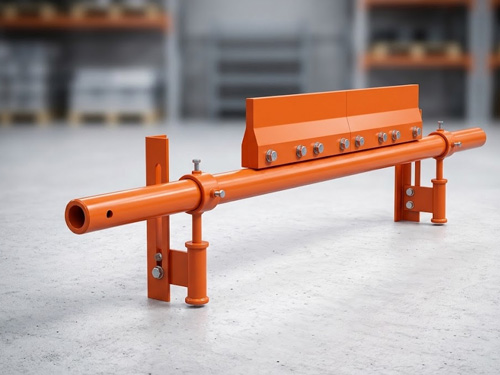
Secondary Conveyor Belt Cleaner Secondary Conveyor Belt Cleaners are designed to remove res...