Analysis of Common Conveyor Idler Failure Modes
2026-08-12 14:53:38
Analysis of Common Conveyor Idler Failure Modes
Conveyor idlers operate continuously under load and in many cases are exposed to dust, moisture, impact, vibration, and abrasive materials. Idler failure can affect belt tracking, increase running resistance, and lead to unplanned conveyor downtime. Understanding common failure modes helps operators identify problems early and improve maintenance strategies.
Bearing Failure
Bearing failure is one of the most common causes of idler malfunction. Excessive load, contamination, inadequate lubrication, poor installation, or manufacturing defects can cause overheating, noise, increased rotational resistance, and eventual seizure.
When a bearing becomes damaged, the roller may stop rotating while the belt continues moving over its surface. This can generate friction and heat, potentially causing serious belt damage. Regular inspection for abnormal noise, temperature, and rotation resistance can help detect bearing problems at an early stage.
Seal Failure
The sealing system protects bearings from dust, water, mud, and abrasive particles. Damaged, poorly installed, or ineffective seals may allow contaminants to enter the bearing chamber and accelerate bearing wear.
Seal performance is particularly important in mining, quarrying, and wet conveying environments. Multi-stage sealing arrangements can provide enhanced protection when operating conditions are severe.
Roller Shell Wear or Deformation
The roller shell may suffer from abrasive wear, corrosion, impact damage, or deformation. Conveying large or heavy materials can create concentrated loads, while uneven loading may cause localized wear.
A deformed or excessively worn roller can increase vibration and rotational resistance and may negatively affect belt tracking. Regular visual inspection can identify cracks, deformation, severe corrosion, or abnormal wear.
Shaft and Structural Damage
The shaft may experience bending, fatigue, corrosion, or damage caused by excessive loads. Improper installation or misalignment can also place additional stress on the shaft and bearing assembly.
Insufficient structural strength or incorrect mounting dimensions may reduce the service life of the complete idler and create instability during conveyor operation.
Abnormal Rotation and Increased Resistance
An idler may develop increased rotational resistance because of bearing damage, contamination, seal problems, shaft deformation, or incorrect assembly. A roller that rotates unevenly or intermittently can increase belt friction, energy consumption, vibration, and belt wear.
Comparing individual idlers with normally operating units is a practical way to identify abnormal resistance.
Preventive Maintenance
Effective maintenance should focus on early detection rather than waiting for complete idler failure. Regular checks should include roller rotation, bearing noise, temperature, shell condition, sealing integrity, shaft alignment, and mounting stability.
Selecting correctly specified idlers with suitable bearings, sealing systems, materials, and load capacity is equally important. Proper installation and timely replacement of damaged components can significantly improve conveyor reliability, idler service life, and overall maintenance efficiency.
References
CEMA, Belt Conveyors for Bulk Materials.
ISO 5048, Continuous Mechanical Handling Equipment — Belt Conveyors with Carrying and Return Idlers.
ISO 1537, Continuous Mechanical Handling Equipment — Belt Conveyors with Carrying Idlers.
DIN 22107, Continuous Conveyors — Idlers for Belt Conveyors — Dimensions.
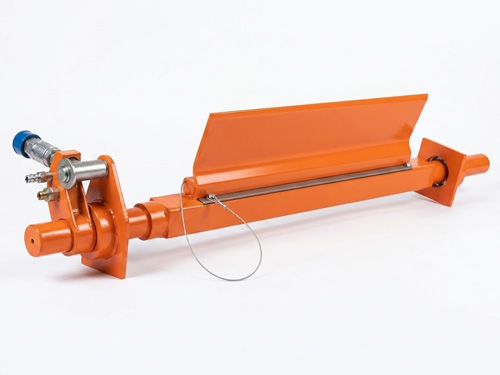
Heavy-Duty Primary Belt Cleaner Heavy-Duty Primary Belt Cleaners are robust conveyor belt c...
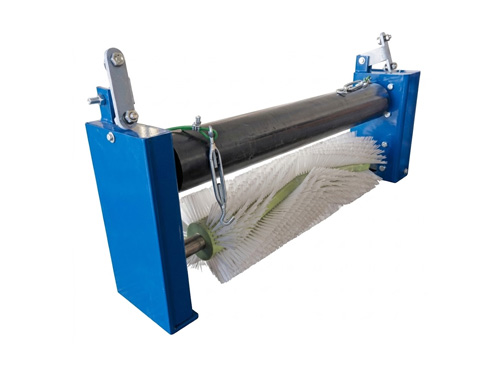
Self-Driven Rotary Brush Belt Cleaner Self-Driven Rotary Brush Belt Cleaners are specialize...
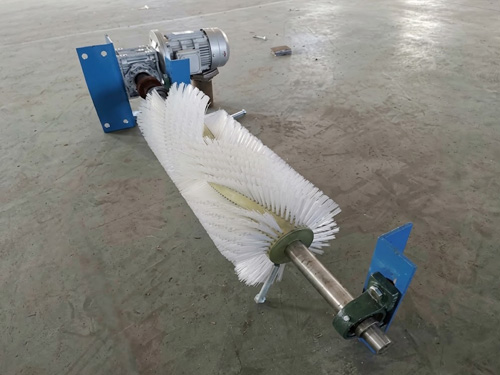
Brush Belt Cleaners in Various Models Brush Belt Cleaners are specialized conveyor belt cle...
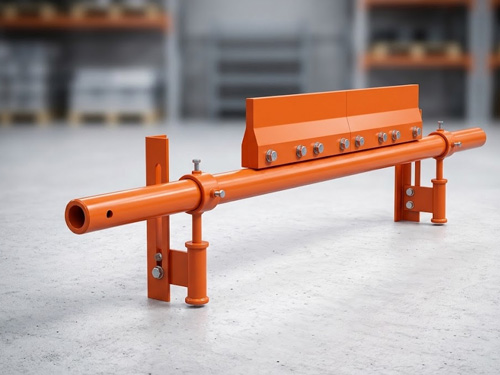
Secondary Conveyor Belt Cleaner Secondary Conveyor Belt Cleaners are designed to remove res...