Understanding Conveyor Idler Technical Specifications
2026-08-31 14:55:27
Understanding Conveyor Idler Technical Specifications
Conveyor idlers are essential components of belt conveyor systems, supporting the belt and conveyed materials while allowing continuous movement with controlled resistance. A clear understanding of idler technical specifications is important for equipment selection, manufacturing, inspection, and maintenance, particularly in mining and heavy-duty bulk material handling applications.
Main Dimensional Requirements
Technical specifications normally define key dimensions such as roller diameter, roller length, shaft diameter, mounting dimensions, and overall assembly dimensions. These parameters must match the conveyor belt width, idler frame, belt speed, and installation structure.
The roller shell should maintain appropriate roundness and dimensional accuracy. Excessive radial runout may increase vibration, belt wear, and dynamic loading during operation.
Bearing and Shaft Requirements
The bearing assembly is a critical part of idler performance. Specifications should consider bearing type, load capacity, rotational speed, service life, and compatibility with the sealing system.
The shaft must provide sufficient strength and rigidity for the expected radial and axial loads. Accurate machining of bearing seats and mounting sections is essential because excessive dimensional deviation or poor concentricity may cause abnormal bearing loading and premature failure.
Sealing and Protection Requirements
A reliable sealing system is particularly important in dusty and wet environments. Seals should effectively prevent dust, water, mud, and abrasive particles from entering the bearing chamber while maintaining acceptable rotational resistance.
Depending on operating conditions, labyrinth, contact, or multi-stage sealing structures may be used. For mining conveyors, sealing performance is often a major factor affecting overall idler service life.
Rotational Resistance and Runout
Technical requirements may include limits for rotational resistance, radial runout, axial movement, and rotational smoothness. Low rotational resistance helps reduce energy consumption and unnecessary belt friction.
The completed idler should rotate smoothly without abnormal noise, sticking, or excessive vibration. Proper balancing and concentric assembly are particularly important for high-speed conveyor applications.
Load and Performance Requirements
The selected idler must withstand the expected belt and material loads under both normal and dynamic operating conditions. Carrying capacity should be evaluated according to material density, belt speed, idler spacing, impact conditions, conveyor inclination, and belt tension.
Impact idlers used below loading points require additional consideration because falling material can create significantly higher instantaneous loads than normal conveying conditions.
Inspection and Acceptance
Idler quality inspection should cover dimensions, appearance, shaft alignment, roller runout, bearing operation, sealing condition, rotational resistance, and structural integrity.
A complete technical specification should establish clear requirements for raw materials, manufacturing tolerances, assembly quality, testing, inspection, packaging, and storage. Consistent quality control helps ensure that delivered idlers meet the intended operating requirements.
Importance of Proper Specification
Technical specifications provide a common basis for designers, manufacturers, purchasers, and maintenance personnel. Correctly defined requirements help prevent component mismatch and improve conveyor reliability.
For heavy-duty applications, technical requirements should be developed according to actual working conditions rather than relying solely on standard dimensions. A properly specified idler can provide stable belt support, reliable rotation, effective sealing, and longer service life.
References
CEMA, Belt Conveyors for Bulk Materials.
ISO 5048, Continuous Mechanical Handling Equipment — Belt Conveyors with Carrying and Return Idlers.
ISO 1537, Continuous Mechanical Handling Equipment — Belt Conveyors with Carrying Idlers.
DIN 22107, Continuous Conveyors — Idlers for Belt Conveyors — Dimensions.
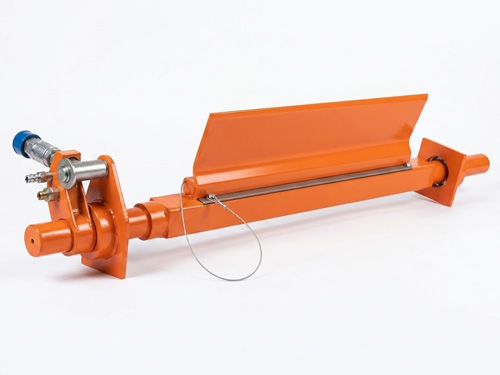
Heavy-Duty Primary Belt Cleaner Heavy-Duty Primary Belt Cleaners are robust conveyor belt c...
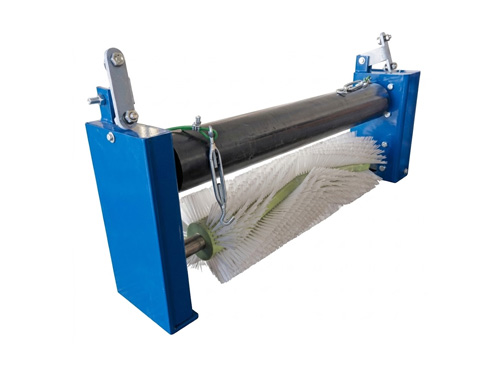
Self-Driven Rotary Brush Belt Cleaner Self-Driven Rotary Brush Belt Cleaners are specialize...
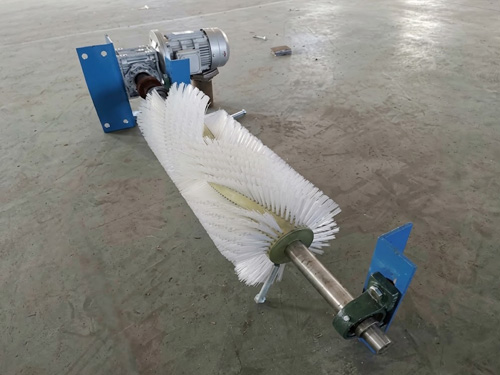
Brush Belt Cleaners in Various Models Brush Belt Cleaners are specialized conveyor belt cle...
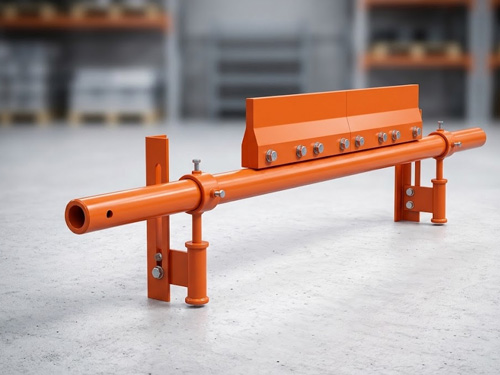
Secondary Conveyor Belt Cleaner Secondary Conveyor Belt Cleaners are designed to remove res...