Practical Guide to Conveyor Idler Spacing and Energy-Saving Design
2026-08-31 14:55:44
Practical Guide to Conveyor Idler Spacing and Energy-Saving Design
Proper idler spacing is an important part of belt conveyor design. It directly affects belt sag, material support, belt tension, rolling resistance, and overall energy consumption. A well-designed idler arrangement can improve conveyor stability while reducing unnecessary power requirements and maintenance costs.
How to Determine Idler Spacing
Idler spacing should be selected according to belt width, belt speed, material density, conveying capacity, belt tension, belt construction, and conveyor inclination. Carrying idlers are normally installed more closely in heavily loaded sections and may use wider spacing in lightly loaded sections.
The loading zone requires particular attention because falling material creates additional impact forces. Impact idlers or impact beds with appropriate support spacing should be considered beneath transfer points to prevent excessive belt deflection and localized loading.
Return idler spacing can generally be greater than carrying-side spacing because the return belt carries significantly less material. However, the actual value should be determined according to belt weight, belt stiffness, belt width, and allowable belt sag.
Belt Sag and Support Requirements
Excessive spacing can cause excessive belt sag between idlers. This may increase material spillage, affect belt tracking, and create additional resistance. Conversely, using unnecessarily close spacing increases the number of rotating components and may increase idler rolling resistance, maintenance requirements, and equipment cost.
The design objective is therefore to select the minimum practical number of idlers while maintaining adequate belt support.
Reducing Conveyor Energy Consumption
One of the most effective energy-saving measures is reducing unnecessary rolling resistance. Selecting low-resistance bearings, efficient sealing systems, precision-manufactured rollers, and appropriate roller diameters can help reduce the power required to operate the conveyor.
Correct idler alignment is equally important. Misaligned rollers can create additional belt friction and tracking forces. Maintaining accurate installation geometry helps ensure that the belt runs smoothly through the conveyor system.
Optimizing Idler Configuration
Different conveyor sections may require different idler arrangements. Standard troughing sets are commonly used on the carrying side, while self-aligning, impact, rubber-disc, spiral, or specialized idlers can be applied where operating conditions require them.
Spacing should also be reviewed according to actual operating conditions. Areas with high material loading, frequent belt loading changes, or greater impact should receive stronger and appropriately spaced support.
Practical Design and Maintenance Strategy
An energy-efficient conveyor should be designed as an integrated system. Engineers should evaluate belt sag, idler spacing, rotational resistance, belt tension, material loading, and drive power together rather than optimizing one parameter independently.
During operation, regular inspection of idler rotation, temperature, noise, belt tracking, and material loading can identify increased resistance early. Replacing seized or damaged idlers promptly prevents them from becoming additional friction sources.
Final Considerations
A reasonable idler spacing design can provide stable belt support, lower rolling resistance, reduced drive power, longer belt life, and improved conveyor reliability. The optimum spacing should always be verified against actual conveyor parameters, material characteristics, belt properties, and applicable engineering standards.
References
CEMA, Belt Conveyors for Bulk Materials.
ISO 5048, Continuous Mechanical Handling Equipment — Belt Conveyors with Carrying and Return Idlers.
ISO 1537, Continuous Mechanical Handling Equipment — Belt Conveyors with Carrying Idlers.
DIN 22107, Continuous Conveyors — Idlers for Belt Conveyors — Dimensions.
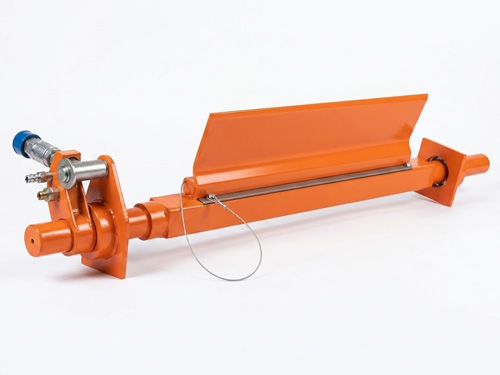
Heavy-Duty Primary Belt Cleaner Heavy-Duty Primary Belt Cleaners are robust conveyor belt c...
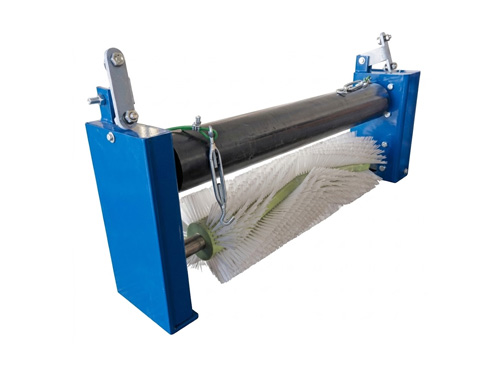
Self-Driven Rotary Brush Belt Cleaner Self-Driven Rotary Brush Belt Cleaners are specialize...
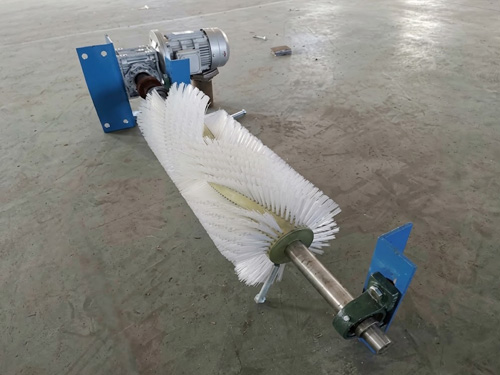
Brush Belt Cleaners in Various Models Brush Belt Cleaners are specialized conveyor belt cle...
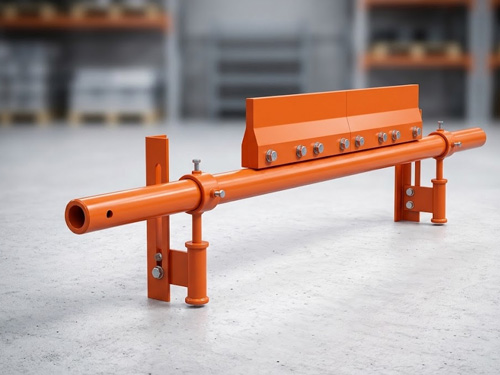
Secondary Conveyor Belt Cleaner Secondary Conveyor Belt Cleaners are designed to remove res...