Troubleshooting Common Failures in Complete Belt Conveyor Systems
2026-08-31 14:57:53
Troubleshooting Common Failures in Complete Belt Conveyor Systems
Complete belt conveyor systems operate continuously under varying loads and environmental conditions. Problems involving the belt, idlers, pulleys, drive unit, tensioning device, or loading system can affect conveying efficiency and equipment reliability. Early fault identification and systematic troubleshooting can reduce downtime and prevent secondary damage.
Belt Deviation
Belt deviation is one of the most common conveyor problems. It may be caused by misaligned idlers, incorrect pulley installation, uneven material loading, damaged belt joints, or an improperly adjusted tensioning system.
First, inspect the conveyor centerline and check whether idler frames and pulleys are correctly aligned. Examine the belt splice and loading point, then check whether material is being fed evenly onto the belt. Damaged or severely worn components should be corrected or replaced.
Belt Slipping
Belt slipping commonly occurs when the driving force is insufficient or belt tension is inadequate. Wet or contaminated pulley surfaces, excessive material loading, and incorrect take-up adjustment can also contribute to slipping.
Check belt tension, pulley lagging, take-up operation, and drive performance. The conveyor should not be operated continuously under slipping conditions because frictional heat may damage the belt.
Excessive Belt Sag
Excessive sag between idlers may result from insufficient idler support, excessive spacing, inadequate belt tension, or overload.
Inspect carrying idler spacing and belt tension, and confirm that the conveyor is operating within its designed capacity. Loading should be controlled to prevent excessive material accumulation.
Idler Abnormalities
Noisy, seized, overheated, or poorly rotating idlers may indicate bearing damage, seal failure, contamination, shaft deformation, or excessive loading.
Inspect idlers during operation where safe and replace defective units promptly. A seized roller can generate excessive friction and potentially damage the conveyor belt.
Pulley and Bearing Problems
Abnormal pulley vibration, noise, or temperature may indicate bearing wear, shaft misalignment, inadequate lubrication, or structural problems.
Check bearing condition, shaft alignment, mounting bolts, and lubrication according to the equipment manufacturer's maintenance requirements.
Material Spillage
Material spillage may be caused by incorrect loading, excessive belt speed, damaged skirt boards, belt misalignment, or poorly designed transfer chutes.
Inspect loading and transfer points, adjust material flow, repair skirt boards, and verify belt tracking. Belt cleaners should also be checked for proper contact and wear.
Drive System Problems
Motor overheating, abnormal noise, insufficient torque, or unexpected shutdowns may indicate electrical, mechanical, or overload conditions. Check the motor, gearbox, coupling, brakes, electrical protection, and actual conveyor load.
Do not repeatedly reset protection devices without identifying the underlying cause.
Systematic Troubleshooting
Effective troubleshooting should follow a logical sequence: identify the symptom, stop and isolate the equipment when required, inspect the relevant components, determine the root cause, repair the fault, and conduct a controlled test run.
Regular preventive inspection of belts, idlers, pulleys, drive units, tensioning devices, cleaners, and safety equipment can help detect problems before they become major failures.
References
CEMA, Belt Conveyors for Bulk Materials.
ISO 5048, Continuous Mechanical Handling Equipment — Belt Conveyors with Carrying and Return Idlers.
ISO 14890, Conveyor Belts — Specification for Rubber- or Plastic-Covered Conveyor Belts of Textile Construction for General Use.
DIN 22101, Continuous Conveyors — Belt Conveyors for Loose Bulk Materials — Basis for Calculation and Dimensioning.
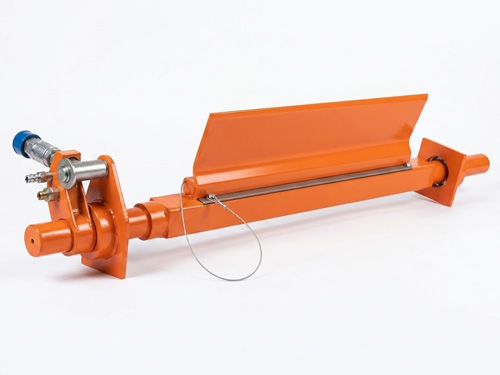
Heavy-Duty Primary Belt Cleaner Heavy-Duty Primary Belt Cleaners are robust conveyor belt c...
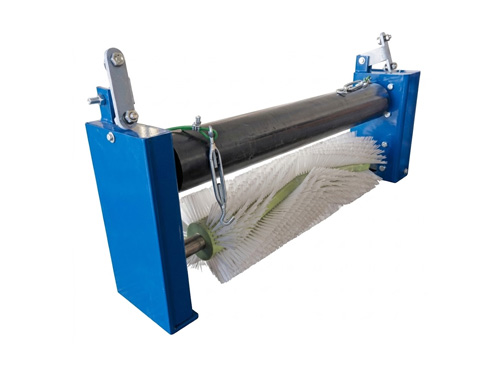
Self-Driven Rotary Brush Belt Cleaner Self-Driven Rotary Brush Belt Cleaners are specialize...
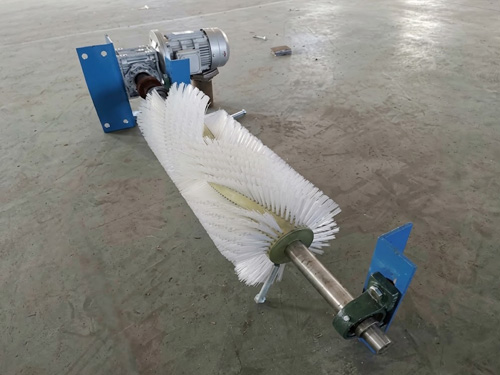
Brush Belt Cleaners in Various Models Brush Belt Cleaners are specialized conveyor belt cle...
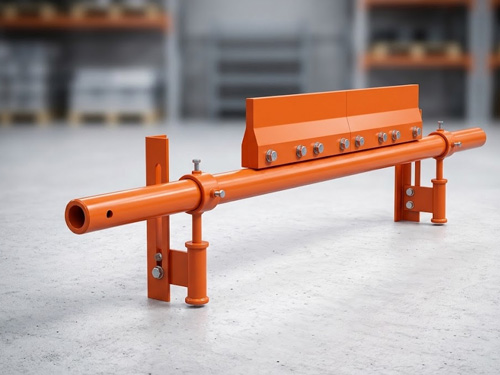
Secondary Conveyor Belt Cleaner Secondary Conveyor Belt Cleaners are designed to remove res...