Energy Consumption Optimization for Complete Belt Conveyor Systems
2026-08-31 14:59:47
Energy Consumption Optimization for Complete Belt Conveyor Systems
Energy consumption is a major operating cost for bulk material conveying systems, particularly in mining, quarrying, ports, power plants, and large material handling facilities. A well-designed optimization strategy should focus on the complete conveyor rather than a single component. Reducing rolling resistance, improving drive efficiency, optimizing belt speed, and maintaining proper alignment can significantly improve overall energy performance.
Optimize Conveyor Layout and Operating Parameters
The first step is to review the conveyor's basic operating conditions, including conveying capacity, belt speed, conveyor length, inclination, material density, and operating hours.
Avoid unnecessarily high belt speeds or excessive conveyor capacity margins. When material flow varies significantly, adjustable-speed operation can allow the conveyor to run closer to the actual production requirement and reduce unnecessary power consumption.
Reduce Idler Rolling Resistance
Idlers represent an important source of running resistance. Selecting low-resistance bearings, high-quality seals, appropriate roller diameters, and precision-manufactured idlers can reduce mechanical resistance.
Idler spacing should also be optimized. Excessively close spacing increases the number of rotating components, while excessive spacing can increase belt sag and resistance. The objective is to achieve adequate belt support with a reasonable number of idlers.
Improve Belt and Pulley Performance
The belt should be selected according to the actual conveying conditions. A properly specified belt with suitable strength, flexibility, and low resistance characteristics can help reduce energy losses.
Drive pulley lagging should provide adequate traction without excessive slip. Pulley alignment and belt tracking should be checked regularly because misalignment creates additional friction and can increase drive power requirements.
Optimize the Drive System
The drive system should be selected according to the calculated power and operating conditions. High-efficiency motors, efficient gearboxes, and appropriate transmission configurations can reduce energy losses.
For conveyors with variable material flow, a variable frequency drive can provide controlled acceleration and speed adjustment. Multi-drive arrangements may also be considered for long-distance or high-capacity conveyors where distributing belt tension and driving force provides system advantages.
Improve Material Loading
Poorly designed loading points can create unnecessary resistance, impact, and material spillage. Material should enter the belt in the direction of travel and at a controlled velocity whenever practical.
Proper chute design, skirt adjustment, and transfer-point maintenance can reduce friction and prevent material accumulation around the belt and return components.
Maintain Belt Alignment
Belt deviation increases friction and may cause the belt to contact structural components. Regular inspection of idler alignment, pulley alignment, belt joints, loading conditions, and self-aligning devices can help maintain stable belt tracking.
Seized or damaged idlers should be replaced promptly because they can become significant sources of resistance and heat.
Intelligent Monitoring and Preventive Maintenance
Energy optimization should include continuous monitoring of motor power, belt speed, material flow, bearing condition, idler resistance, and belt tracking. Comparing operating data over time can help identify abnormal increases in energy consumption.
Preventive maintenance should focus on lubrication, cleaning, alignment, component replacement, and timely fault correction.
Integrated Energy-Saving Strategy
The most effective approach combines optimized conveyor parameters, low-resistance components, efficient drives, proper loading, accurate alignment, and preventive maintenance. Rather than reducing component specifications indiscriminately, the goal should be to minimize total system resistance while maintaining required conveying capacity, safety, and reliability.
References
CEMA, Belt Conveyors for Bulk Materials.
ISO 5048, Continuous Mechanical Handling Equipment — Belt Conveyors with Carrying and Return Idlers.
DIN 22101, Continuous Conveyors — Belt Conveyors for Loose Bulk Materials — Basis for Calculation and Dimensioning.
IEC 60034 series, Rotating Electrical Machines.
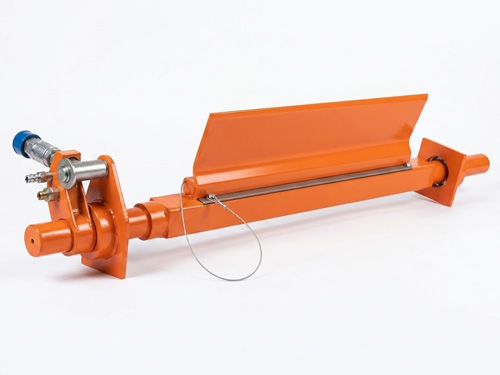
Heavy-Duty Primary Belt Cleaner Heavy-Duty Primary Belt Cleaners are robust conveyor belt c...
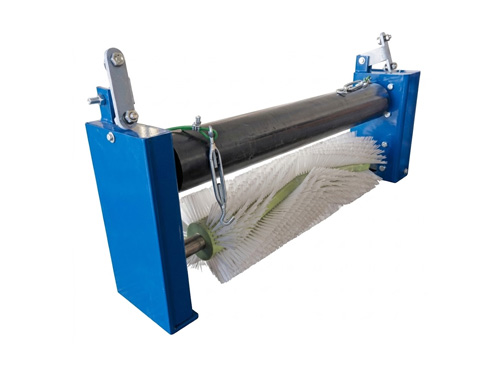
Self-Driven Rotary Brush Belt Cleaner Self-Driven Rotary Brush Belt Cleaners are specialize...
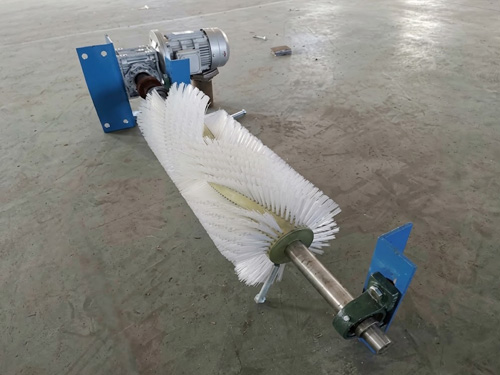
Brush Belt Cleaners in Various Models Brush Belt Cleaners are specialized conveyor belt cle...
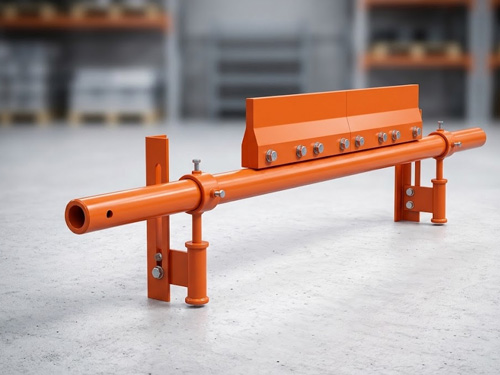
Secondary Conveyor Belt Cleaner Secondary Conveyor Belt Cleaners are designed to remove res...