Understanding the Technical Specifications of Complete Belt Conveyor Systems
2026-08-31 14:59:13
Understanding the Technical Specifications of Complete Belt Conveyor Systems
A complete belt conveyor is an integrated system used for the continuous transportation of bulk materials. Its technical specifications define the requirements for capacity, belt speed, structural strength, drive performance, component quality, safety, and operating reliability. Understanding these requirements is important when designing, purchasing, manufacturing, and commissioning conveyor equipment.
Conveying Capacity and Belt Speed
The technical specification should clearly define the required conveying capacity, usually based on material characteristics and production requirements. Important parameters include belt width, belt speed, material bulk density, particle size, and loading conditions.
Higher belt speeds can increase conveying capacity, but may also increase dust, spillage, belt wear, and dynamic forces. The final belt speed should therefore be selected according to the material and operating environment rather than capacity alone.
Belt and Structural Requirements
The conveyor belt should have adequate tensile strength, flexibility, abrasion resistance, and environmental resistance. Belt construction and strength must be compatible with the calculated operating tension and pulley diameters.
The conveyor frame, support legs, brackets, and related structures should have sufficient strength and rigidity to withstand belt tension, material loads, vibration, and installation loads. Correct alignment of the supporting structure is essential for stable belt tracking.
Idler and Pulley Requirements
Carrying and return idlers must provide reliable belt support with appropriate roller diameter, spacing, bearing capacity, sealing performance, and rotational resistance.
Drive, tail, bend, and take-up pulleys should be correctly dimensioned according to belt tension and belt construction. Pulley shafts, bearings, lagging, and mounting arrangements must provide sufficient mechanical strength for the intended duty.
Drive and Tensioning Requirements
The drive system should provide adequate power and starting torque under the specified operating conditions. Motor power, gearbox capacity, transmission efficiency, and starting characteristics should be determined from appropriate conveyor calculations.
The tensioning device must maintain suitable belt tension during starting, stopping, and normal operation. Improper tension can cause belt slipping, excessive sag, or unnecessary belt stress.
Safety and Protection Requirements
A complete conveyor should incorporate suitable emergency stop devices, belt deviation protection, speed monitoring, guards, and other safety equipment according to project requirements.
Moving components such as drive pulleys, couplings, and rotating shafts should be adequately protected. Maintenance access should also be considered during system design.
Manufacturing and Quality Requirements
Technical conditions should cover material quality, dimensional tolerances, welding quality, machining accuracy, assembly requirements, surface treatment, inspection, and testing.
Finished equipment should undergo appropriate checks before shipment, including component dimensions, belt alignment, idler rotation, drive operation, and safety-device functionality.
Installation and Commissioning
Before operation, the complete conveyor should be inspected and adjusted according to the approved installation requirements. A no-load trial run should normally be conducted first to verify belt tracking, idler rotation, pulley operation, vibration, noise, and drive performance.
After confirming stable no-load operation, a controlled load test can be performed to evaluate conveying capacity, material distribution, belt tracking, and motor load.
Comprehensive Technical Control
The technical conditions of a belt conveyor should be treated as an integrated specification covering design, manufacturing, installation, commissioning, safety, and maintenance. Clear technical requirements help ensure compatibility between individual components and improve the reliability and service life of the complete conveyor system.
References
CEMA, Belt Conveyors for Bulk Materials.
ISO 5048, Continuous Mechanical Handling Equipment — Belt Conveyors with Carrying and Return Idlers.
ISO 14890, Conveyor Belts — Specification for Rubber- or Plastic-Covered Conveyor Belts of Textile Construction for General Use.
DIN 22101, Continuous Conveyors — Belt Conveyors for Loose Bulk Materials — Basis for Calculation and Dimensioning.
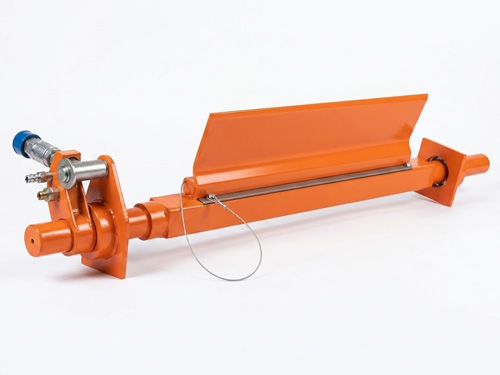
Heavy-Duty Primary Belt Cleaner Heavy-Duty Primary Belt Cleaners are robust conveyor belt c...
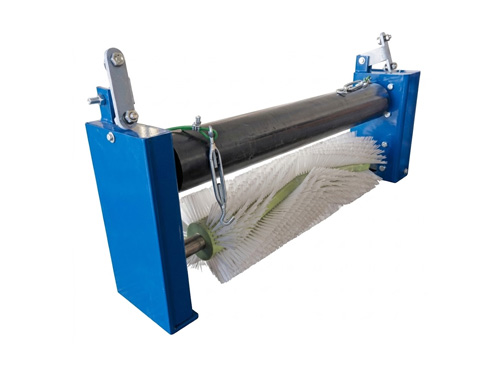
Self-Driven Rotary Brush Belt Cleaner Self-Driven Rotary Brush Belt Cleaners are specialize...
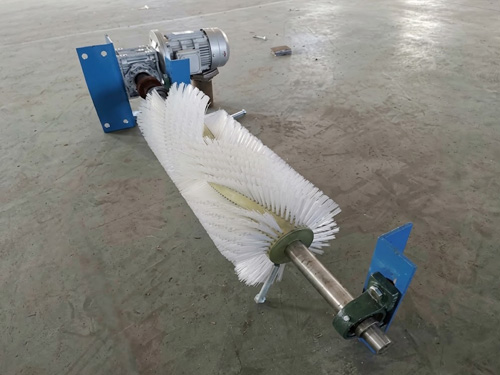
Brush Belt Cleaners in Various Models Brush Belt Cleaners are specialized conveyor belt cle...
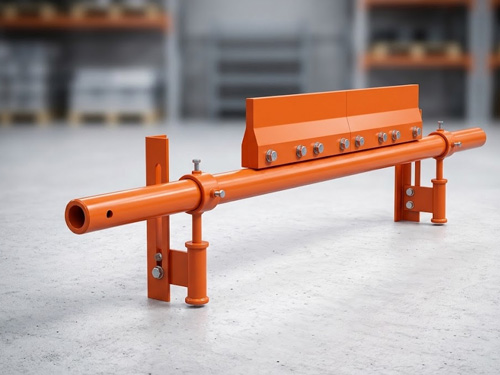
Secondary Conveyor Belt Cleaner Secondary Conveyor Belt Cleaners are designed to remove res...