Maintenance Guide for Complete Bulk Material Conveying Equipment
2026-08-31 14:58:55
Maintenance Guide for Complete Bulk Material Conveying Equipment
Complete bulk material conveying equipment operates under continuous loads and often works in environments containing dust, moisture, abrasive particles, and vibration. A systematic maintenance program is essential for maintaining stable conveying performance, extending equipment service life, and reducing unexpected downtime.
Daily Inspection
Before starting the equipment, operators should check the conveyor belt, idlers, pulleys, drive unit, tensioning device, and supporting structure. Confirm that there are no loose components, material accumulation, visible damage, or abnormal obstructions.
During operation, pay attention to abnormal noise, vibration, overheating, belt deviation, belt slipping, and unusual material spillage. Any abnormal condition should be investigated promptly rather than allowing the conveyor to continue operating under potentially damaging conditions.
Conveyor Belt Maintenance
The belt should be regularly inspected for cuts, cracks, edge damage, excessive wear, loose joints, and surface deformation. Belt tracking should be checked to ensure that the belt remains properly centered.
Transfer points should be kept properly aligned, and loading should be distributed evenly across the belt. Excessive impact and uneven material loading can accelerate belt wear and place additional loads on idlers and pulleys.
Idler and Pulley Inspection
Inspect carrying, return, impact, and self-aligning idlers for abnormal rotation, bearing noise, excessive temperature, deformation, and sealing damage.
Seized or heavily worn idlers should be replaced promptly because a non-rotating roller can create excessive friction and potentially damage the belt.
Pulleys should be inspected for surface wear, lagging damage, bearing condition, shaft alignment, and abnormal vibration.
Drive and Tensioning System
Regularly inspect the motor, gearbox, coupling, brakes, drive pulley, and fastening components. Check lubrication according to the equipment manufacturer's requirements and monitor gearbox temperature and operating noise.
The tensioning system should maintain appropriate belt tension. Incorrect tension may result in belt slipping, excessive sag, or unnecessary belt stress.
Belt Cleaning and Transfer Points
Belt cleaners should be checked regularly for blade or brush wear and correct contact pressure. Effective belt cleaning reduces carryback and material accumulation around return components.
Loading and transfer chutes should be inspected for blockage, excessive wear, leakage, and poor material flow. Worn liners and damaged skirt boards should be replaced when necessary.
Electrical and Safety Equipment
Inspect emergency stop devices, pull-cord switches, belt deviation switches, speed monitoring devices, guards, and electrical connections regularly.
All safety devices should remain functional and must not be bypassed. Maintenance work should only be performed after the equipment has been properly stopped, isolated, and secured according to site safety procedures.
Preventive Maintenance
A preventive maintenance schedule should be established based on operating hours, conveyor duty, environmental conditions, and manufacturer recommendations. Keep records of inspection results, component failures, lubrication, repairs, and replacement dates.
Condition-based monitoring of temperature, vibration, noise, and rotational resistance can help identify developing faults before they cause major failures.
Long-Term Maintenance Strategy
Effective conveyor maintenance combines routine inspection, preventive servicing, timely replacement, correct lubrication, proper belt alignment, and accurate maintenance records. A systematic approach can reduce operating costs, improve equipment availability, and extend the service life of major components.
References
CEMA, Belt Conveyors for Bulk Materials.
ISO 5048, Continuous Mechanical Handling Equipment — Belt Conveyors with Carrying and Return Idlers.
ISO 14890, Conveyor Belts — Specification for Rubber- or Plastic-Covered Conveyor Belts of Textile Construction for General Use.
DIN 22101, Continuous Conveyors — Belt Conveyors for Loose Bulk Materials — Basis for Calculation and Dimensioning.
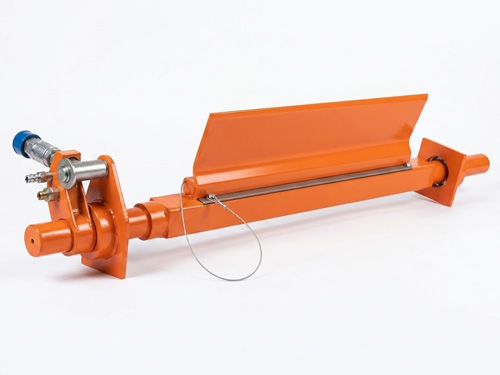
Heavy-Duty Primary Belt Cleaner Heavy-Duty Primary Belt Cleaners are robust conveyor belt c...
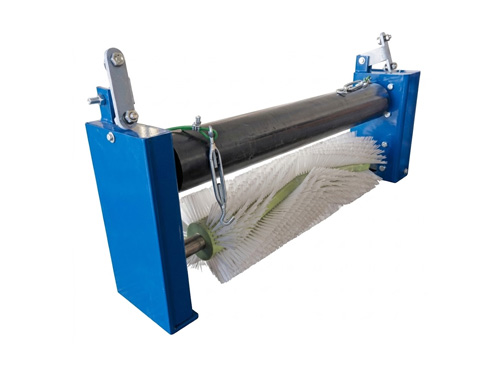
Self-Driven Rotary Brush Belt Cleaner Self-Driven Rotary Brush Belt Cleaners are specialize...
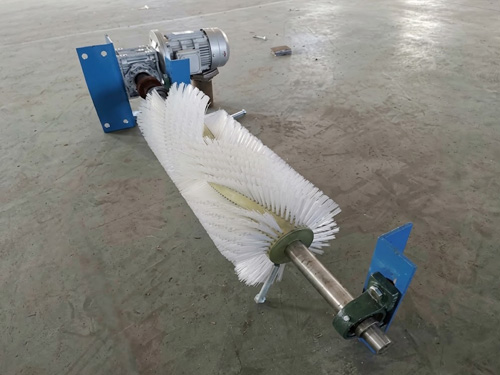
Brush Belt Cleaners in Various Models Brush Belt Cleaners are specialized conveyor belt cle...
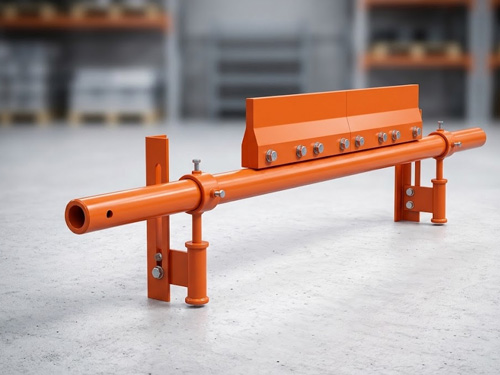
Secondary Conveyor Belt Cleaner Secondary Conveyor Belt Cleaners are designed to remove res...