Comparison of Drive System Selection for Complete Belt Conveyors
2026-08-31 14:58:35
Comparison of Drive System Selection for Complete Belt Conveyors
The drive system is one of the most important parts of a complete belt conveyor. It provides the power required to overcome belt resistance, material conveying resistance, elevation changes, and starting loads. Selecting the appropriate drive arrangement directly affects conveyor reliability, energy consumption, maintenance requirements, and service life.
Electric Motor and Gearbox Drive
The conventional motor-and-gearbox system is widely used because of its simple structure, mature technology, reliable torque transmission, and easy maintenance.
An electric motor drives a gearbox, which reduces speed and increases torque before transferring power to the drive pulley. This arrangement is suitable for many medium- and heavy-duty conveyors and can be configured for different belt speeds and capacities.
The gearbox and motor should be selected according to calculated power, starting torque, belt tension, operating duty, and environmental conditions.
Fluid Coupling Drive
A fluid coupling can be installed between the motor and gearbox to provide smoother power transmission during startup. It allows the motor to accelerate more gradually and can help reduce mechanical shock to the belt and drive components.
This arrangement is particularly useful for conveyors with large starting loads or frequent starting requirements. However, additional components may increase system cost and maintenance requirements.
Variable Frequency Drive System
A motor controlled by a variable frequency drive (VFD) provides flexible speed regulation and controlled acceleration and deceleration.
The VFD can help optimize belt speed according to material flow and production requirements. Controlled starting can also reduce belt tension fluctuations and mechanical shock. For systems with variable operating conditions, VFD control can provide significant operational flexibility.
Multi-Drive Systems
Long-distance or high-capacity conveyors may require multiple drive units positioned at the head, tail, or intermediate sections. Multi-drive arrangements distribute the driving force along the belt and can reduce peak belt tension.
This configuration is suitable for high-power conveyors but requires more sophisticated synchronization, control, and protection systems.
Direct Drive Solutions
Direct-drive systems can reduce the number of mechanical transmission components between the motor and drive pulley. Depending on the selected motor technology, they may offer high transmission efficiency and reduced mechanical complexity.
However, initial investment, control requirements, maintenance capabilities, and replacement considerations should be evaluated before selection.
How to Select the Appropriate System
Drive selection should consider conveying capacity, belt speed, conveyor length, inclination, lifting height, belt tension, starting conditions, operating hours, and environmental conditions.
For standard applications, a motor and gearbox can provide a reliable and economical solution. Fluid couplings are useful where smooth starting is important, while VFD systems are advantageous when speed control and optimized operation are required. Multi-drive systems are more appropriate for long, high-capacity conveyors with demanding power requirements.
Comprehensive Selection
There is no single drive configuration suitable for every conveyor. The final choice should balance performance, efficiency, starting characteristics, investment cost, maintenance requirements, control complexity, and expected service life.
A correctly selected drive system, combined with suitable pulleys, tensioning equipment, belt, and electrical protection, provides the foundation for safe and reliable conveyor operation.
References
CEMA, Belt Conveyors for Bulk Materials.
ISO 5048, Continuous Mechanical Handling Equipment — Belt Conveyors with Carrying and Return Idlers.
DIN 22101, Continuous Conveyors — Belt Conveyors for Loose Bulk Materials — Basis for Calculation and Dimensioning.
IEC 61800 series, Adjustable Speed Electrical Power Drive Systems.
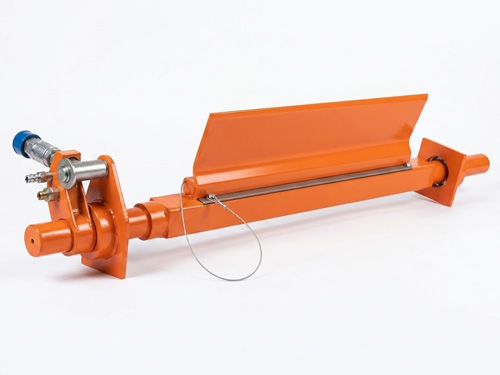
Heavy-Duty Primary Belt Cleaner Heavy-Duty Primary Belt Cleaners are robust conveyor belt c...
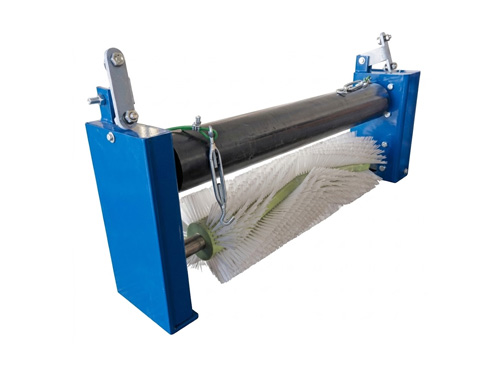
Self-Driven Rotary Brush Belt Cleaner Self-Driven Rotary Brush Belt Cleaners are specialize...
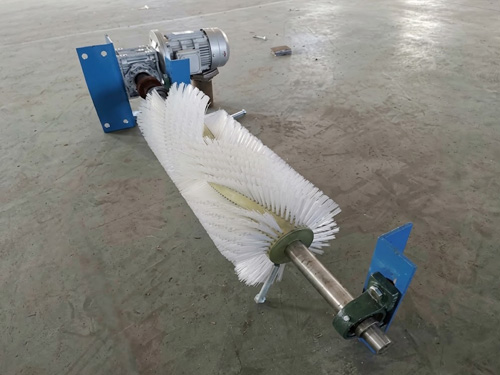
Brush Belt Cleaners in Various Models Brush Belt Cleaners are specialized conveyor belt cle...
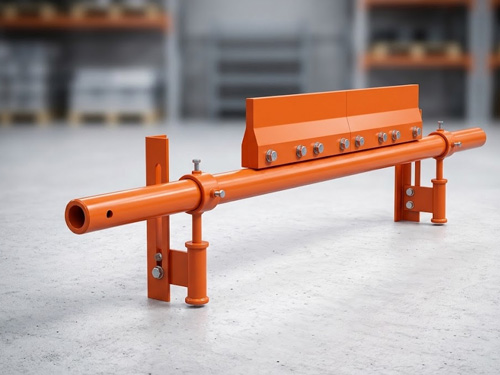
Secondary Conveyor Belt Cleaner Secondary Conveyor Belt Cleaners are designed to remove res...